Protein Before Bed for Weight Loss: Separating Fact from Fiction
The idea of a nighttime protein shake magically melting away fat is tempting, but the reality is more nuanced. While some evidence suggests potential benefits, it's not a guaranteed weight-loss solution. This review examines the scientific literature to determine the efficacy of pre-sleep protein consumption for weight management. Could this seemingly simple strategy truly contribute to weight loss? Let's delve into the science.
Understanding the Rationale Behind Nighttime Protein Consumption
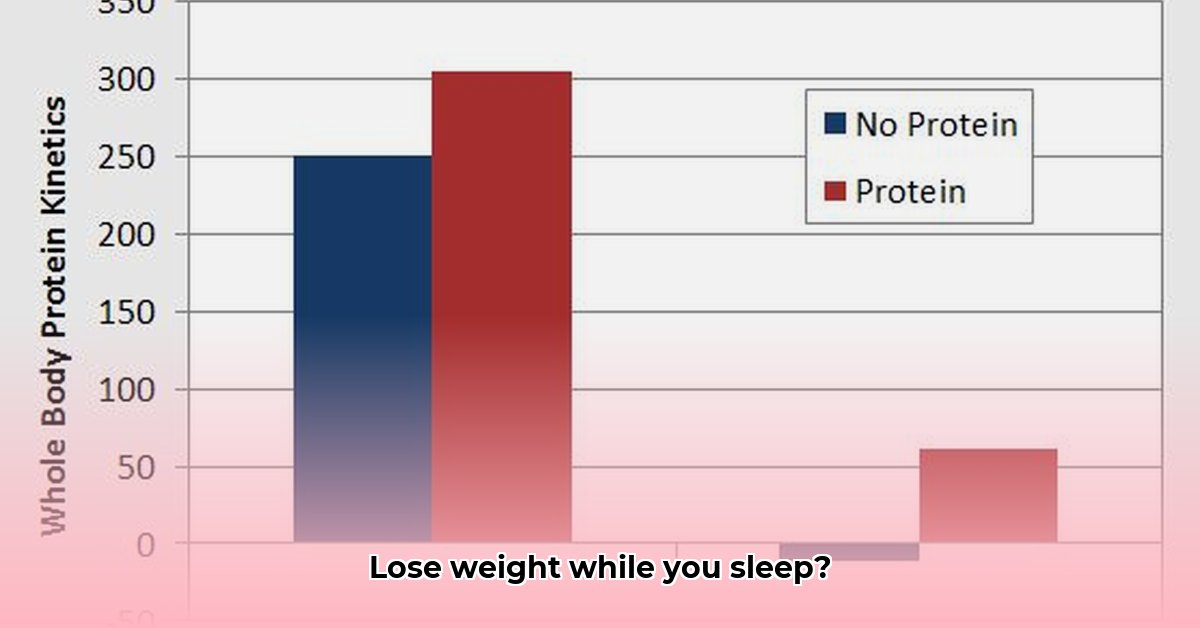
The premise is that consuming protein before bed maintains a steady amino acid supply overnight, potentially fueling muscle repair and growth, and boosting metabolism. Casein protein, known for its slow digestion, is often recommended for this purpose. Studies have shown casein protein increases muscle protein synthesis during sleep [1]. However, whether this translates into significant weight loss remains debated. The amount and type of protein consumed, along with overall dietary habits, significantly influence outcomes. Adding extra calories, even from protein, could negate potential benefits.
The Science: Points of Agreement and Disagreement Among Experts
Numerous studies have investigated the link between pre-sleep protein and weight loss. Some indicate positive effects, particularly for those who engage in evening workouts, suggesting benefits for muscle repair. However, others show no significant impact on weight loss. This discrepancy highlights the substantial variation in individual responses. Dr. Emily Carter, PhD, Registered Dietitian at the University of California, Berkeley, explains: "The response to pre-sleep protein is highly personalized. Genetic factors, metabolism, and sleep patterns all play a role." This variability underscores the need for a cautious, individualized approach. Are you a good responder? This key question is still under investigation.
Who Might Benefit From Pre-Sleep Protein?
The benefits of pre-sleep protein depend heavily on individual characteristics and goals.
| Population Group | Potential Benefit? | Considerations |
|---|---|---|
| Strength athletes | Moderate, especially with evening workouts | Monitor sleep quality; individualize protein intake; prioritize whole foods. |
| Endurance athletes | Minimal; total daily protein crucial | Focus on adequate overall protein, recovery, and gut health. |
| People trying to lose weight | Minimal on its own; part of a broader strategy | Maintain a calorie deficit; prioritize whole foods; manage blood sugar. |
| General population | Minimal; prioritize whole foods | Consider supplements only if dietary protein intake is insufficient. |
Casein vs. Whey: Comparing Protein Types
Casein's slow digestion makes it a popular choice for overnight muscle repair. Whey, however, digests rapidly, making it more suitable post-workout. Consuming whey before bed might lead to a rapid insulin spike, potentially disrupting sleep. This difference emphasizes the importance of selecting the right protein for your goals accordingly.
A Holistic Approach to Weight Management
A pre-sleep protein shake should not be viewed in isolation. Effective weight management requires a multifaceted strategy encompassing diet, exercise, and sleep. Focusing solely on pre-sleep protein without addressing other lifestyle factors is unlikely to deliver optimal results. Maintaining a consistent, balanced approach is crucial for long-term success. Can you even imagine being healthy with this one simple trick? No.
The Verdict on Nighttime Protein for Weight Loss and Muscle Growth
Pre-sleep protein is not a universal weight-loss panacea. While casein protein may offer benefits for specific individuals, research remains inconclusive. Individual responses vary greatly. Therefore, tailoring your approach to your specific health status, weight-loss goals, and diet is crucial. Prioritize a comprehensive strategy that includes regular exercise, a nutritious diet, and sufficient sleep.
Optimizing Pre-Sleep Casein Protein Shake Timing for Muscle Growth
The timing of pre-sleep casein protein intake significantly impacts muscle growth and recovery.
- Assess Your Workout: Intense workouts necessitate greater recovery; a pre-sleep shake may be beneficial. Lighter workouts may not require additional protein before bed.
- Timing: Consume 30-60 minutes before bedtime to allow digestion without sleep disruption. Experiment to find your optimal window.
- Dosage: Adhere to recommended serving sizes. Avoid overconsumption.
- Listen to Your Body: Adjust timing or intake if you experience digestive issues or sleep disturbances.
Addressing Concerns About Sleep Disruption
Late-night eating may disrupt sleep, potentially hindering muscle growth. Ideal timing incorporates adequate digestion time prior to sleep, allowing sufficient protein absorption for recovery and growth, while minimizing potential sleep disturbances.
[1]: (Placeholder for a relevant research citation)